Why Trans Visibility Matters to Me
A personal reflection on why trans visibility matters today, exploring identity, lived experience, and how small, intentional actions can support the trans community in meaningful and visible ways.

Philz Coffee was founded in San Francisco, in the Mission District, where I first lived after moving to California in 2015. I walked by the original Philz Coffee location on my daily commute to the 24th Street & Mission BART train station. They’ve always celebrated artists and Pride. Pride flags and Polaroid-like team headshots were always featured in their stores. There are Philz Coffee shops in cultural districts for the LGBTQ+ community, one in the Castro in San Francisco and one in the Lakeshore Cultural District in Oakland. Philz was my top choice for coffee/tea dates, especially for those visiting California for the first time. The Mint Mojito was my favorite. I loved this coffee creation so much, that I purchased a pour over setup and mint from my local grocery store.
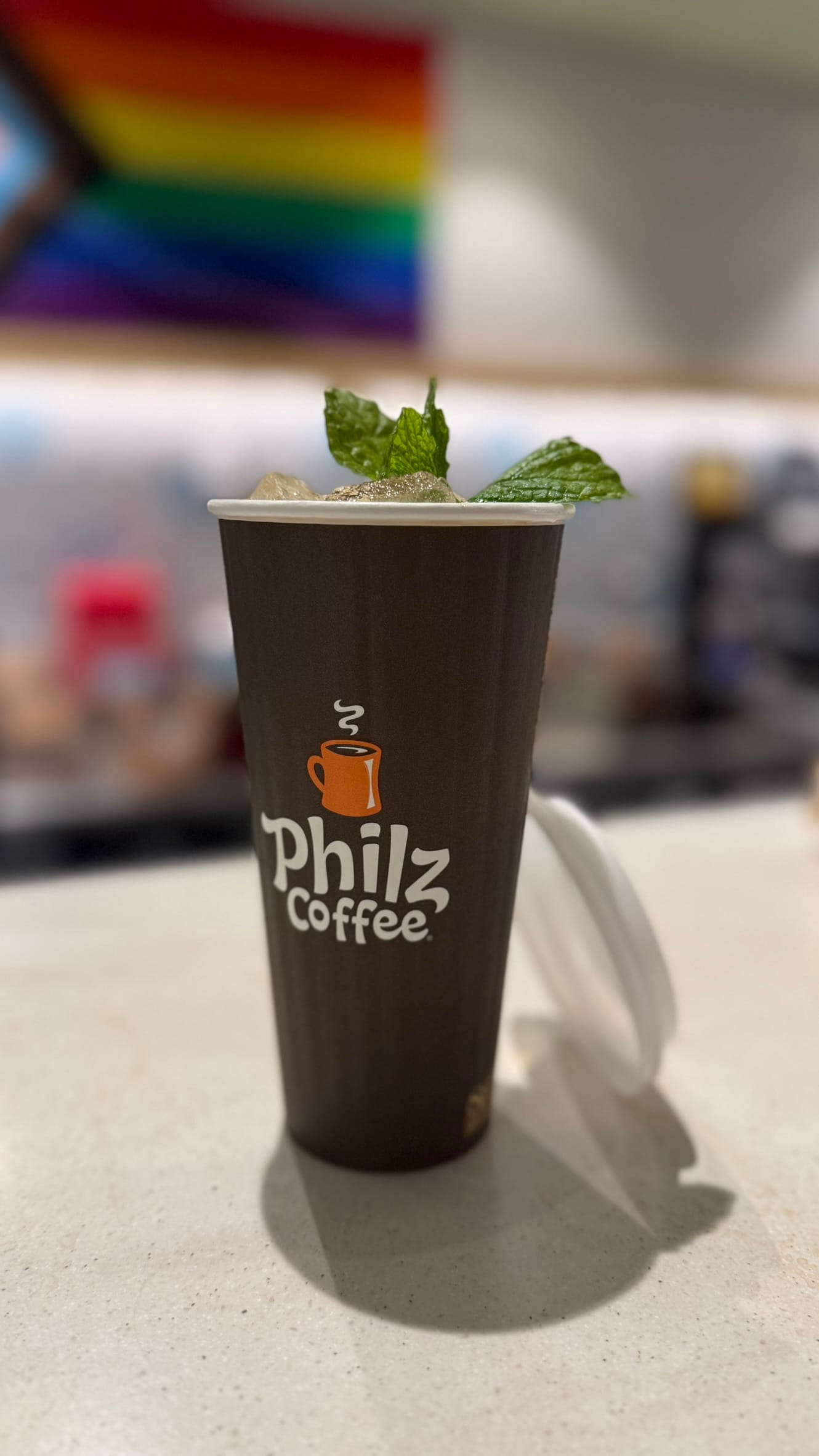
Diversity was a key value at Philz. But after selling to private equity, they wanted to look like an “inclusive” corporation that doesn’t support Pride flags in stores, and they wanted to remove them. This caused an uproar because it goes against the community values. Philz Coffee was built on the principle of supporting queer people. Some of the Philz baristas are queer themselves, and they created a petition on Change to keep the flags in stores. Leadership eventually backed down and allowed them to stay.
But clearly, leadership does not have the same roots that connect their employees to the original Philz store in the Mission, or to the diversity across the Bay Area that has supported queer LGBTQ+ people who have fought for their rights.
A few months ago, things changed for me in terms of my personal experience. Since around 2016, I’ve worn a rainbow wristband for my Apple Watch. Visibility matters. When Apple started making their own Pride bands and shipping them to employees and customers, it mattered. When most corporate companies removed Diversity, Equity, and Inclusion, Apple did not pull back.
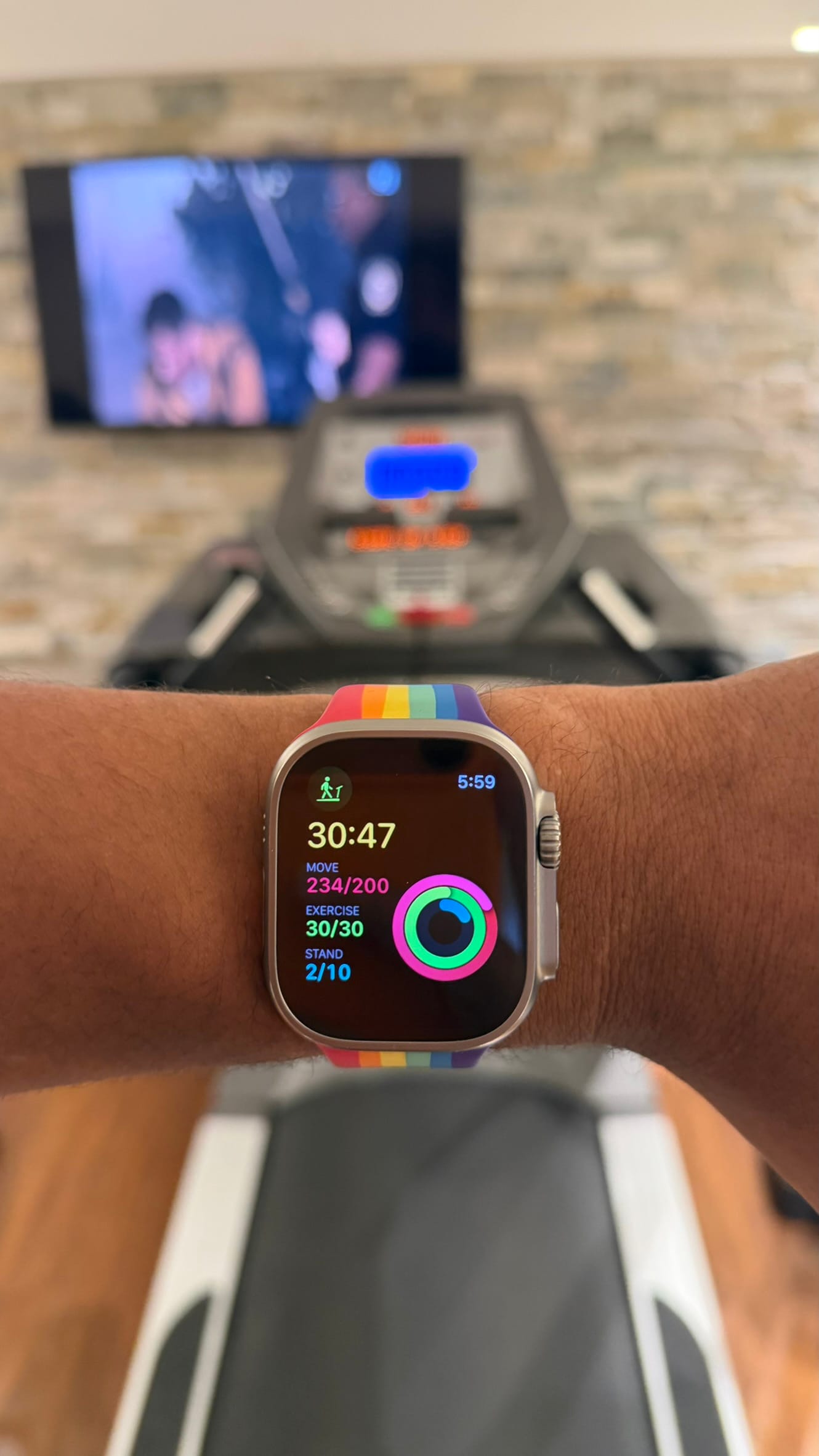
From 2016 to 2025, I wore a rainbow Pride wristband every single day for visibility. A small act, but a deliberate one. Gilbert Baker (the American artist and gay rights activist who created the original rainbow flag in 1978) designed it as a symbol of hope. Nine to ten years is a long time to wear something every single day. This was a powerful signal, not a fashion choice. I'm here. I see you. You're safe. It’s similar to someone walking into a Philz store and seeing a Pride flag and feeling supported. I can’t count how many strangers have seen my Pride band over the last decade and felt safe or supported. Even people already in the LGBTQ+ community would see it and instantly feel a connection.
I’ve gotten a few compliments here and there, with strangers saying: “I like your band.” It’s not something I hear every day, even though I live in one of the most LGBTQ-friendly areas in the country, the Bay Area. But it’s something I’ve always taken pride in. I wore it even when it wasn’t widely accepted. I would go back home to the East Coast before it was considered safe to be openly gay or married, and I still wore it. I’ve never taken it off, even in conservative areas. It became a staple of my identity.
This year, I swapped that rainbow Pride band for a trans flag band, and it has dramatically changed my perspective. For nearly a decade, I wore the rainbow flag to support LGBTQ+ people. Now, for the next chapter of my life, I want to center that support on the trans community.
Early this year, I started paying closer attention. Trans youth. Gender-affirming care. Trans development. The need was clear. The visibility, less so. Even here in the Bay Area. That stayed with me. It became clear that there is significantly less support for trans people. Trans people often receives less visibility and attention, even in places where there is strong overall support for the LGBTQ+ community. I kept thinking: this is where support is needed most. And it's getting the least.
Around the same time, I found myself returning to Andrew by Andrea Gibson. I first encountered this poem in high school. I didn’t know how to express my gender identity or sexuality. I wasn’t out yet. Hearing someone say they weren’t gay, straight, or bisexual, but simply who they are, stayed with me. That realization hit me hard. It made me think differently about where support is needed most.
Andrea Gibson performing “Andrew,” a spoken word poem about identity that shaped how I understand gender and self-expression.
My first exposure to gender expression outside of what I grew up with was through drag, which helped me start thinking more broadly about gender. I later learned how that’s different from being trans, which is about identity, not performance. It challenged how I was raised in a very masculine household where those expressions weren’t really present. Over time, I came to understand how important it is to support people in expressing themselves fully.
One thing I’ve learned along the way is that being transgender isn’t defined by medical transition. It’s about identity. And like anything related to identity, it’s deeply personal and not something I can fully speak for. But understanding that helped me think more carefully about how I show up in support.
At its core, being transgender means not identifying with the gender assigned at birth, including non-binary identities. Learning that made me reflect more deeply on my own identity. I’ve always identified as male, but I also use he and they pronouns. I believe gender is a construct, and I’m still figuring out where I fit within that.
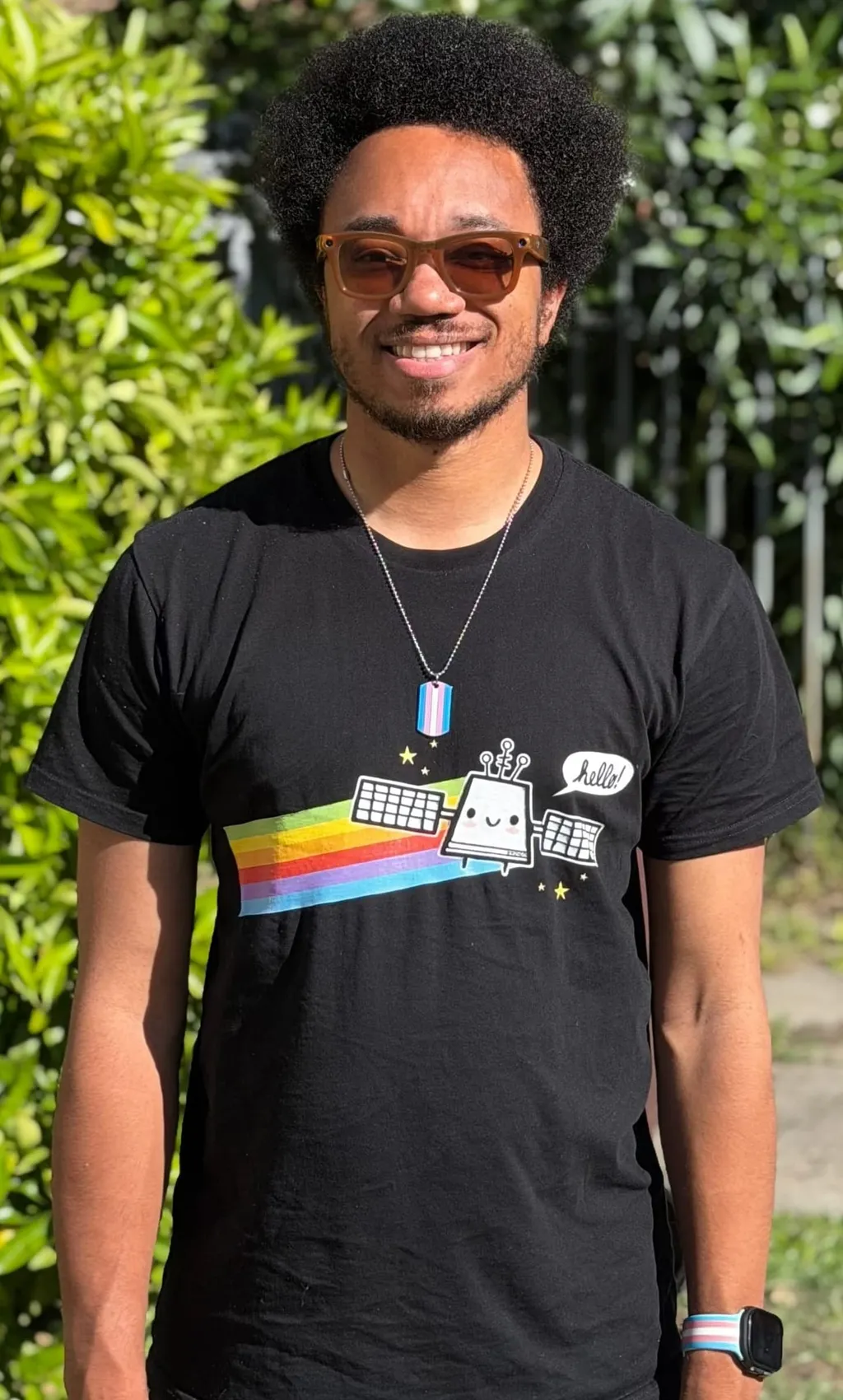
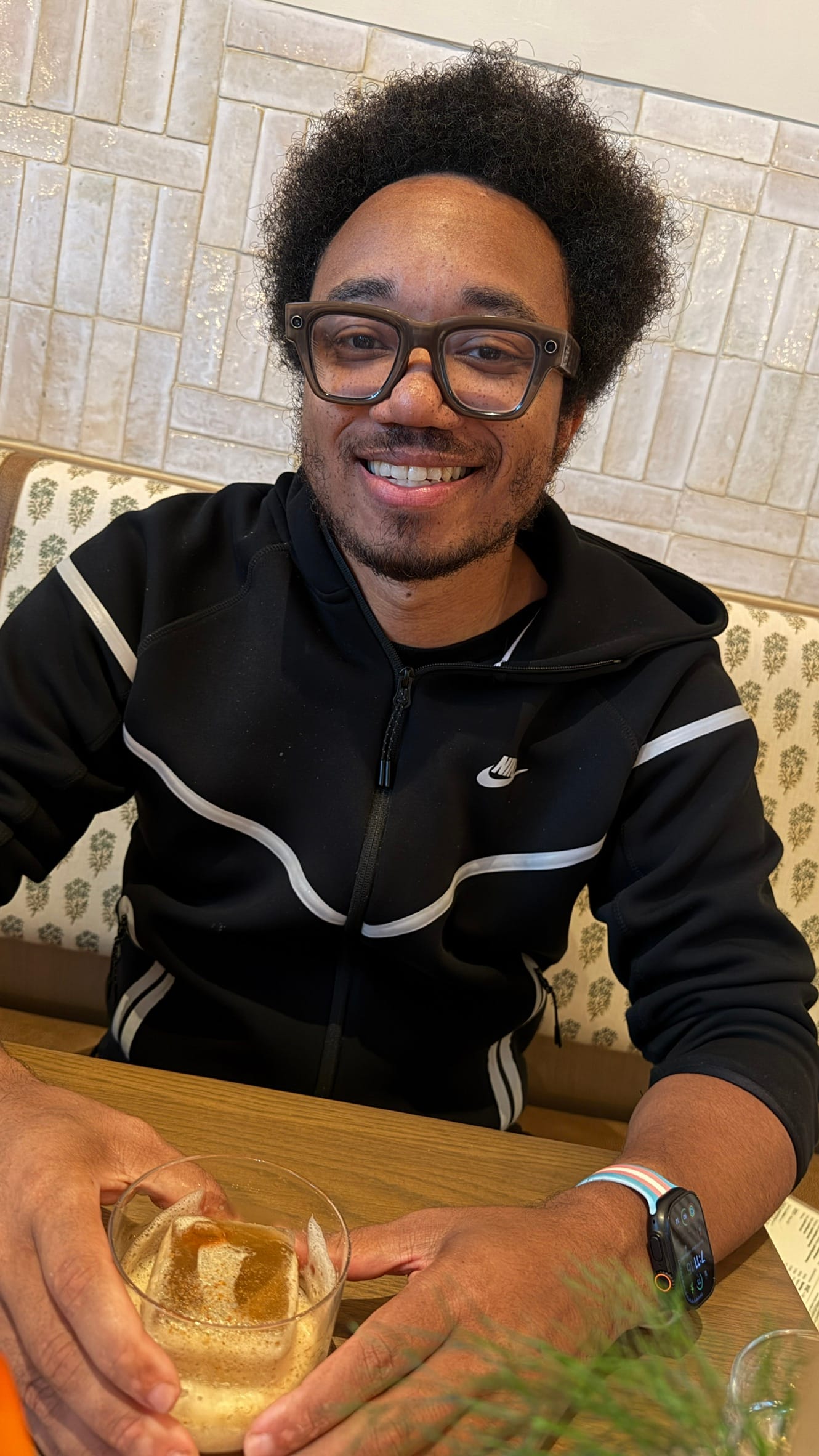
All of this ties back to visibility. I also want to be clear about something. This isn’t my story to speak for. It’s my responsibility to listen, learn, and show up in ways that support the trans community directly. My goal here isn’t to define that experience, but to be more intentional about how I support it. When I switched from the rainbow Pride band to the trans flag band, I started thinking more intentionally about how I show support. People don’t always notice a watch band at first glance. Most people look at your face on first impression instead of your wrist. To bring even more visibility, I started wearing a trans flag necklace along with the watch band. It’s a way of signaling support, not just in the Boardroom, but publicly. I saw someone wearing a cross necklace, it made me think about visible identity. They were expressing what they believe in openly. That made me want to do the same.
At the end of the day, wearing the trans flag, both on my watch and as a necklace, feels aligned with who I am and what I support. It represents both the community I care about and the life I am living.
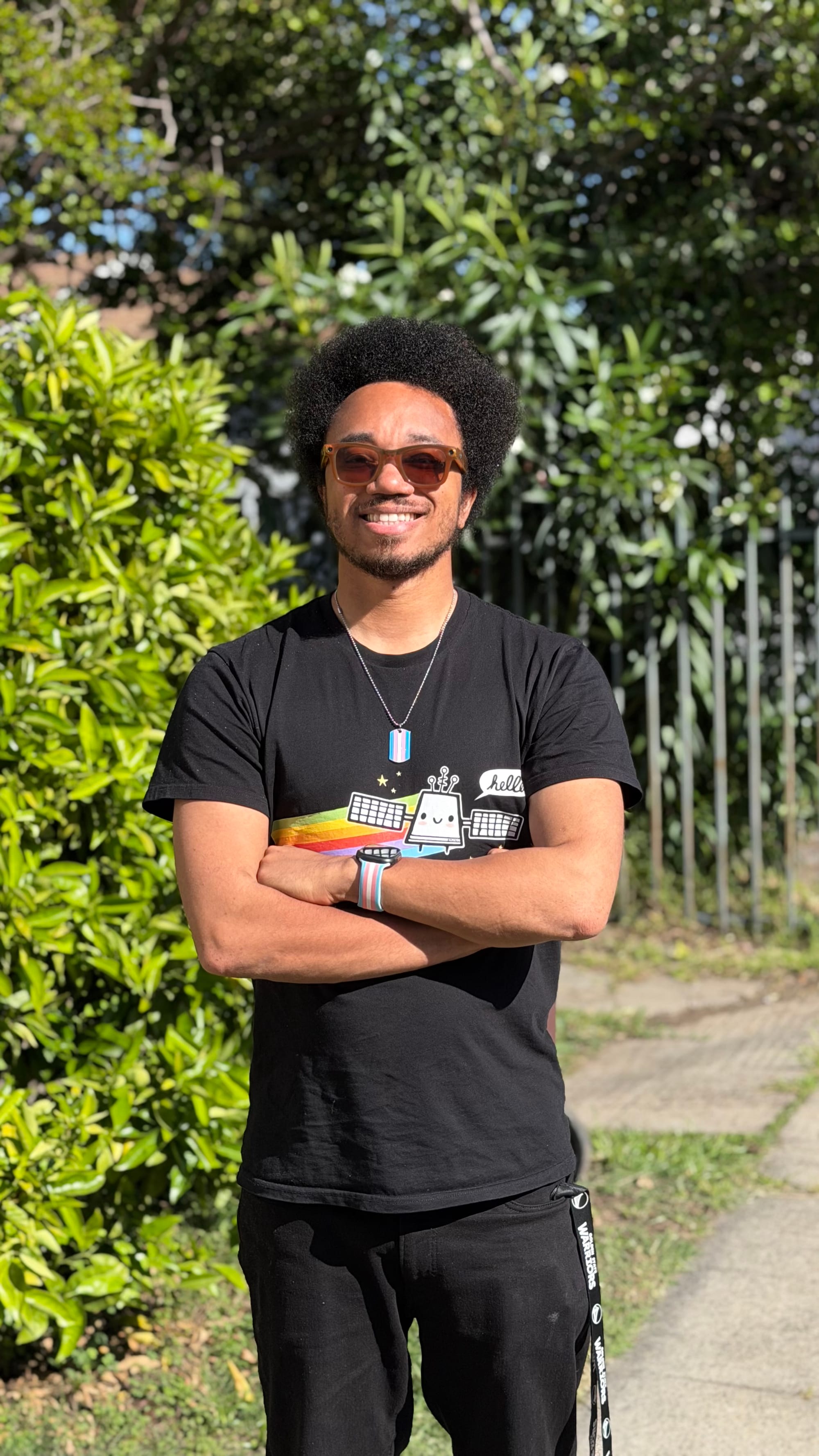
Trans visibility matters.
Trans visibility and support is important to me.
For me, wearing symbols like the trans flag on my watch or as a necklace has become a simple, visible way to show support. It’s a small action, but one that feels intentional.
If you want to support trans youth and the broader trans community, here are a few places to start:
Trans Lifeline (translifeline.org) · peer support hotline run by and for trans people. US: 877-565-8860.
The Trevor Project (thetrevorproject.org) · crisis intervention and suicide prevention for LGBTQ+ youth. TrevorLifeline: 1-866-488-7386.
National Center for Transgender Equality (transequality.org) · policy advocacy and resources on rights, healthcare, and legal protections.
Oakland LGBTQ Community Center (oaklandlgbtqcenter.org) · local safe space offering wellness, support groups, and crisis resources for LGBTQ+ people in the Bay Area. Mon–Fri, 12–6 PM. I have proudly served on the Board of Directors for the Oakland LGBTQ Center since 2025.
Trans Wellness Center (TWC) – East Oakland (oaklandlgbtqcenter.org/transgender-support) · hormone assistance, HIV care, mental health support, housing help, and gender care scholarships for trans and nonbinary people in East Oakland. Two clinic locations serving the community directly. Support them by donating to the Oakland LGBTQ Community Center.
SF LGBT Center (sfcenter.org) · comprehensive LGBTQ+ services in San Francisco, including Trans:Thrive, a program offering mental health and wellness support for trans and nonbinary people.
Trans:Thrive (@transthrive) · mental health, counseling, and peer support services for trans and nonbinary people through the SF LGBT Center.
Trans March SF (transmarch.org) · the world’s largest trans march, held annually.
Transgender District (@transgenderdistrict / transgenderdistrict.org) · the world’s first legally recognized transgender cultural district, based in SF’s Tenderloin neighborhood.
@translatableproject · trans education and community storytelling. Follow on Instagram.
@transbayarea · Bay Area trans visibility and community resource. Follow on Instagram.