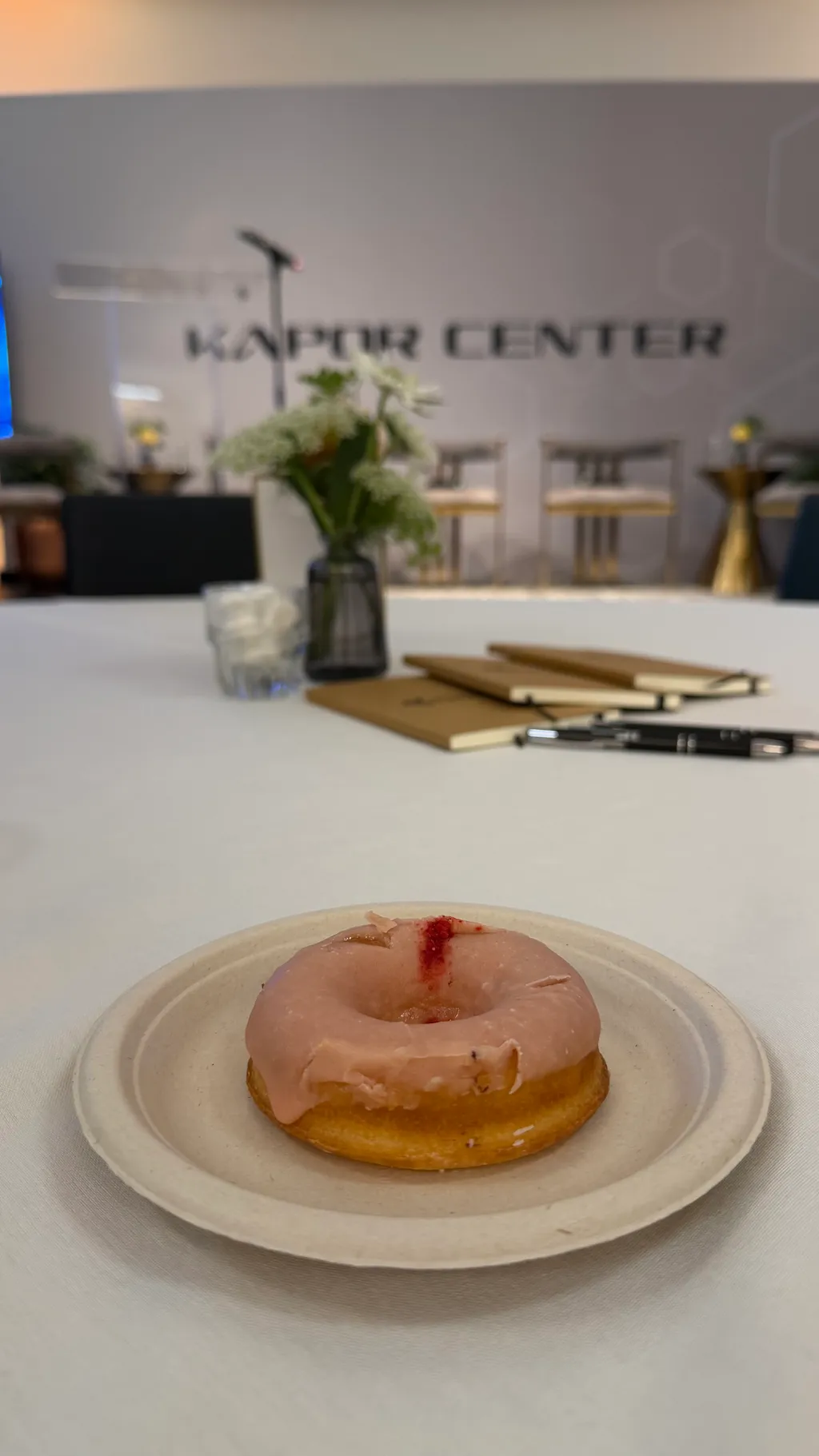
The Creator Economy Has a Gap. I'm Trying to Close It.
The Kapor Center launched the P.R.I.M.E. Alliance to connect 100 gap-closing startups with government. I was in the room, and it changed how I think about visionaryPass.

Hey everyone, Justin here. I got invited to the Kapor Center in downtown Oakland for the launch of something called the P.R.I.M.E. Alliance. The Mayor of Oakland Barbara Lee was there. The room was full of founders, investors, and city officials. And I left that building thinking about visionaryPass in a completely different way.
The full story is in the video. But I wanted to write this post to share some context, background, and thoughts that didn't make the final cut.
What the P.R.I.M.E. Alliance Is and Why It Matters
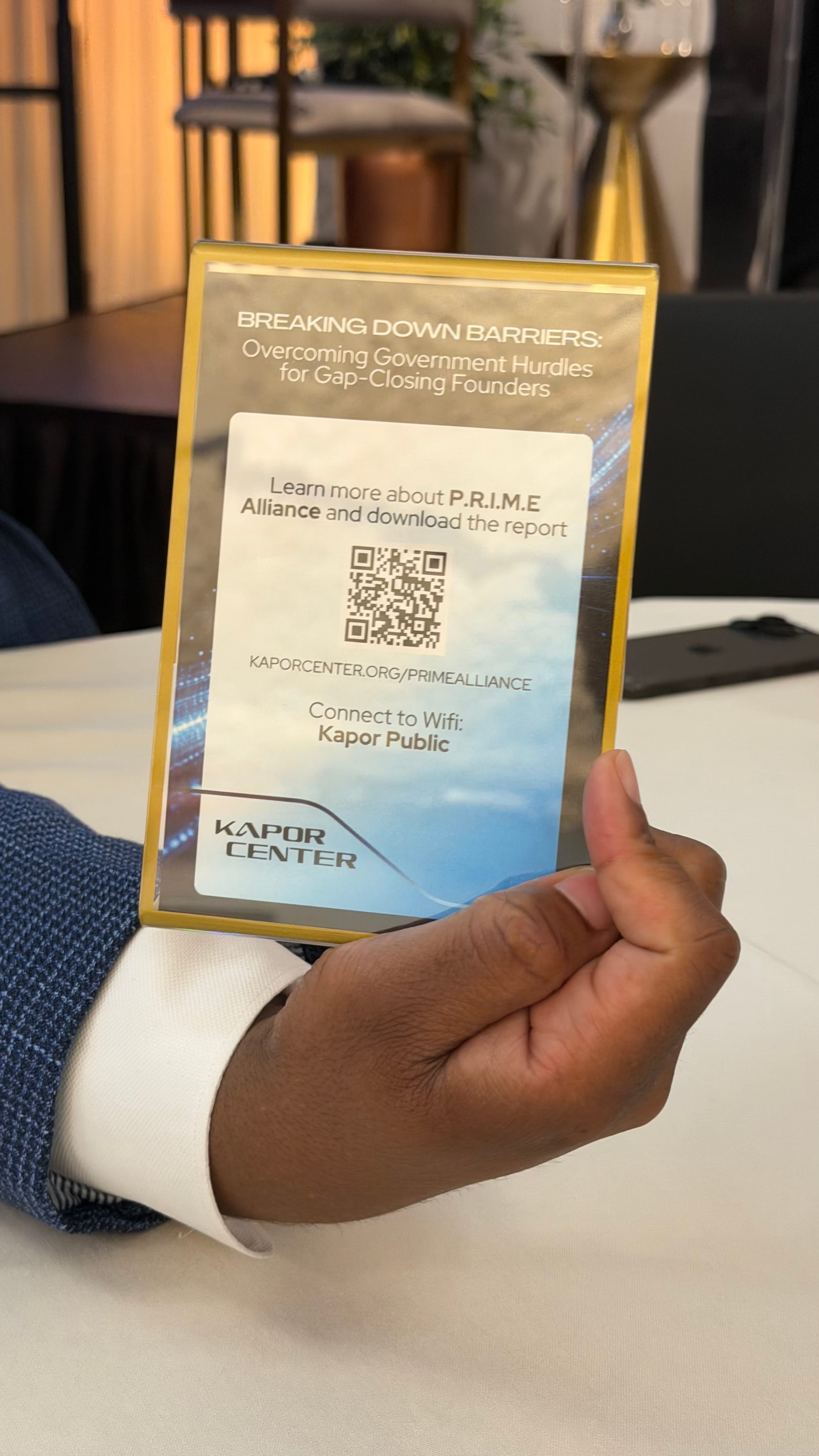
P.R.I.M.E. stands for Public Results through Impact and Mission-Driven Entrepreneurship. The P.R.I.M.E. Alliance is a new initiative from the Kapor Center designed to connect mission-driven startups with local and state governments. Their research found that nearly 60% of social impact founders identified government contracting processes as their single biggest obstacle. Good products exist. The pipeline to get them adopted doesn't.
The initiative's 2026 goal is to recruit 100 gap-closing startups: companies using technology to address disparities in access, opportunity, and outcomes for underserved communities. It's ambitious, and it's backed by decades of work the Kapor Center has already done in Oakland and nationally through programs like SMASH and Kapor Capital.
You can read the full report at kaporcenter.org/primealliance.
The Economics of the Gap
One statistic from the event has stayed with me. The annual cost of inequality in the United States (measured in lost economic output) exceeds five trillion dollars. According to the research presented, even a 2% improvement across areas like education, healthcare access, housing, and workforce development would generate over $100 billion in economic gains.
That's the business case for inclusion, and it reframes what "gap-closing" actually means. It's not charity. It's an economic strategy. Governments that partner with the right startups aren't just doing the right thing. but they're making a measurable investment in their own communities.
Where the Creator Economy Fits
The creator economy is now valued at over $250 billion. It's one of the fastest-growing paths to independent income in the world. But the infrastructure behind it was built for people who already have advantages. The best courses, networks, tools, and mentorship programs all assume you already have a head start. Geographic access, financial resources, industry connections. If you're starting from scratch in a city like Oakland, Detroit, or anywhere outside of LA and New York, the on-ramp barely exists.
That disparity is a gap. And it's the one visionaryPass was built to close.
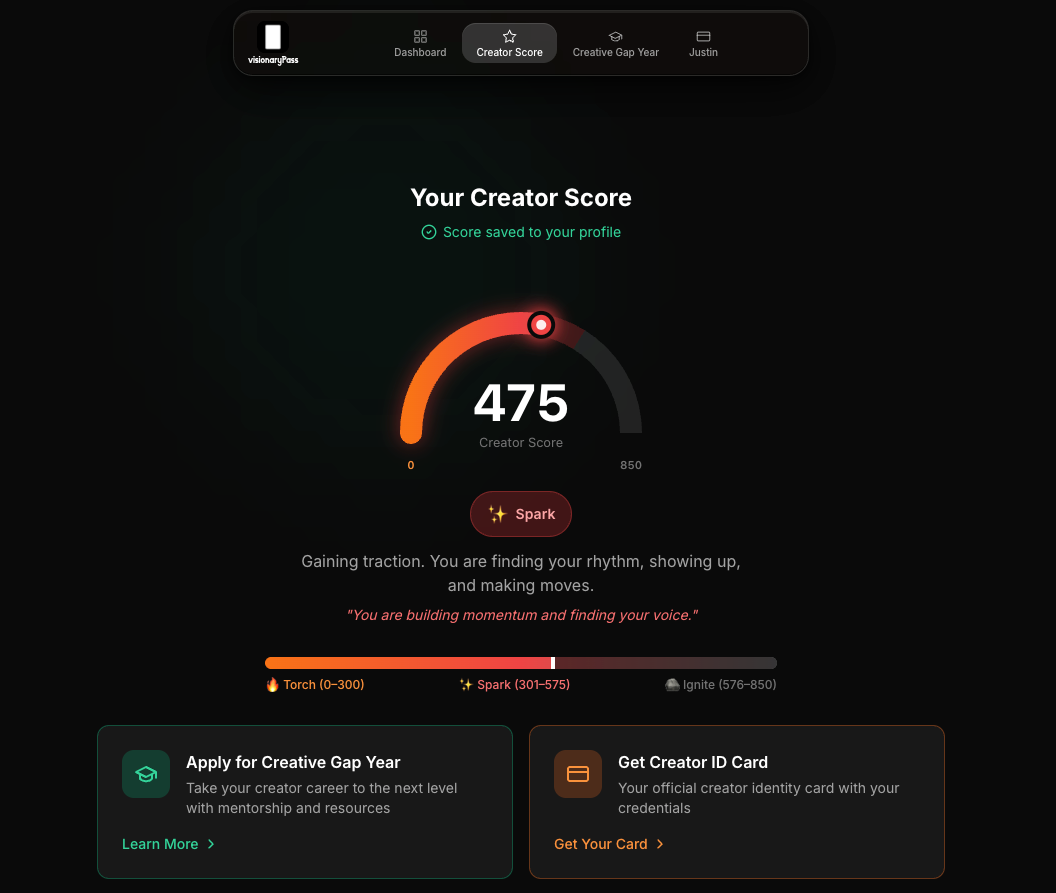
Our flagship program, the Creative Gap Year, is a 52-week structured pathway that takes someone from zero uploads to a sustainable creative business. We pair that with an AI-powered Creator Score system, community events, and mentorship. Every creator we develop becomes a small business owner. They hire editors, build audiences, and generate revenue. When that creator comes from an underinvested community, the ripple effect is real.
Oakland as the Starting Line
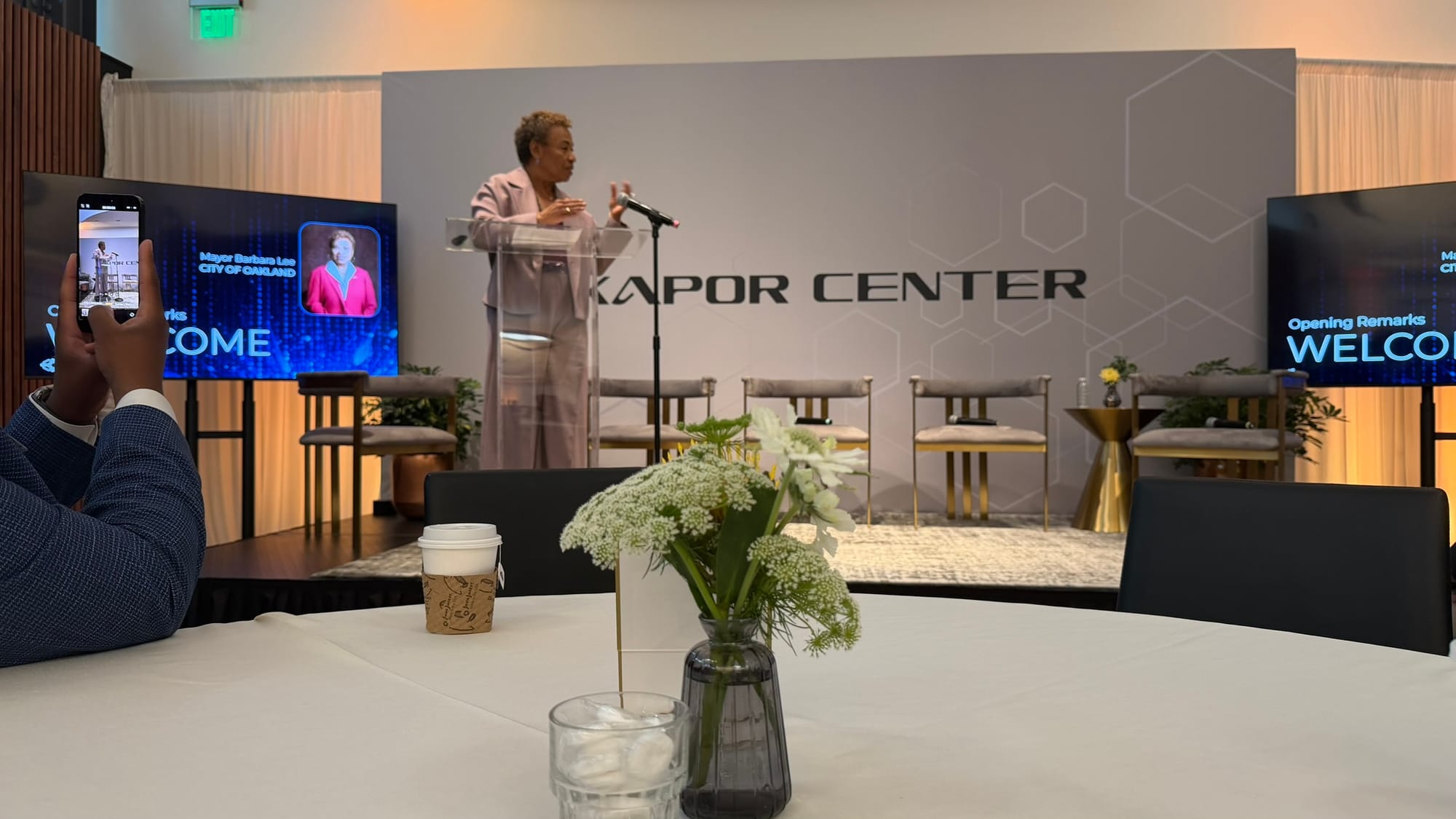
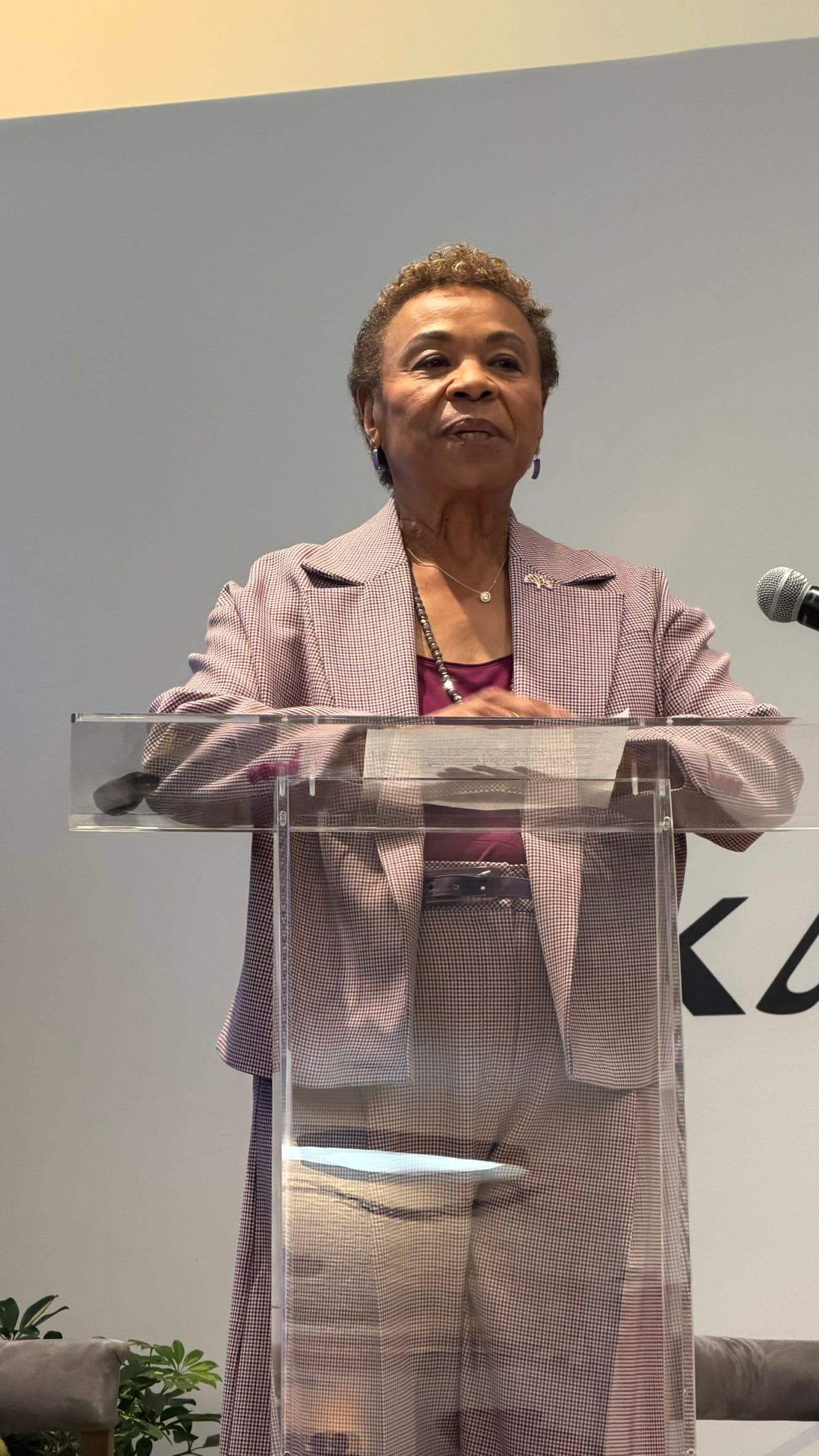
Mayor Barbara Lee delivering opening remarks at the P.R.I.M.E. Alliance launch at the Kapor Center in Oakland
The Kapor Center is ten minutes from our office. Mayor Barbara Lee was in the room. Oakland has a history of investing in inclusive technology. The city has already partnered with the Kapor Foundation on millions of dollars in equity-focused tech initiatives. For a company like visionaryPass, building here isn't a coincidence. It's a strategic choice.
In April, we're hosting Vibe Coders & Creators in downtown Oakland every Monday at 6:30 pm. It’s our community event bringing builders and creators into the same room. It's part of what we believe gap-closing looks like on the ground: local, tangible, consistent.
About the Event
The launch event, titled Overcoming Government Hurdles for Gap-Closing Founders, was held on March 24, 2026 at the Kapor Center in downtown Oakland. The afternoon opened with a light reception, followed by a fireside chat between founders and government leaders, and closed with networking.
The speaker lineup brought together people from across government, venture capital, and mission-driven tech:
- Allison Scott, Ph.D., CEO of the Kapor Foundation, working at the intersection of racial justice and technology
- Mayor Barbara Lee, Mayor of Oakland and former U.S. Congressional representative
- Freada Kapor Klein, Ph.D., Founding Partner at Kapor Capital, Co-Chair of the Kapor Center, and Founder of SMASH.org
- Chike Aguh, Head of Innovation and Strategy for Gap-Closing Startups at the Kapor Center, previously appointed by President Biden as Chief Innovation Officer at the U.S. Department of Labor
- Phaedra Ellis-Lamkins, Co-founder and CEO of Promise, a gov-tech startup bringing AI automation to government services
- Ben Bear, Co-founder and CEO of BuildCasa, building 100,000 homes for California homeowners through lot subdivision
This wasn't a typical tech panel. Every speaker was either building or funding solutions to problems that affect real communities. That's what made it different.
The Shift
I've spent most of my career introducing myself as a creator. After the Kapor Center event, I've started introducing myself differently. visionaryPass is a gap-closing startup. The language matters because it changes who pays attention, who partners with you, and who takes the work seriously.
The full story, including footage from the event, is in the video above. I'd love for you to watch it and share it with someone building something that matters in their community.
Let's Connect:
- Watch the full video and drop a comment on YouTube.
- Learn more about the P.R.I.M.E. Alliance: kaporcenter.org/primealliance
- Check out visionaryPass: visionaryPass.com
- Email me: justin@visionarypass.com
Stay visionary,
Justin